How a silver payal is made: four steps in an Agra workshop
Agra has made silver payal for generations, and the method has changed less than you might expect. Machines now draw the wire and cut some of the parts, but a payal is still put together by hand, one link at a time. This is how a pair travels through our workshop.
1. Melting and alloying
Work begins at the furnace. Silver is melted and alloyed so that it is strong enough to be worked into fine chain and still hold its shape in daily wear. The metal is poured into bars and left to cool before it moves on.
2. Drawing the wire
The bars are rolled thinner and then pulled through a series of smaller and smaller dies until they become wire. Even thickness matters more here than anywhere else: if the wire varies, the links will not match and the finished pair will not hang the same way.
3. Shaping by hand
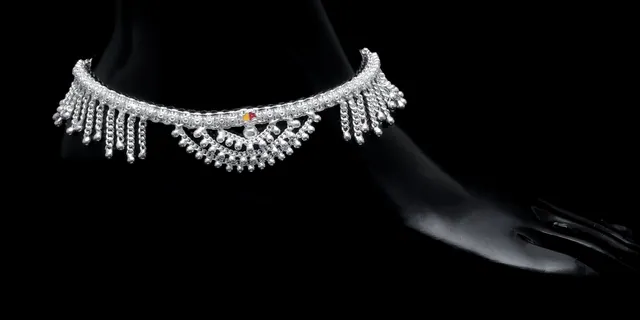
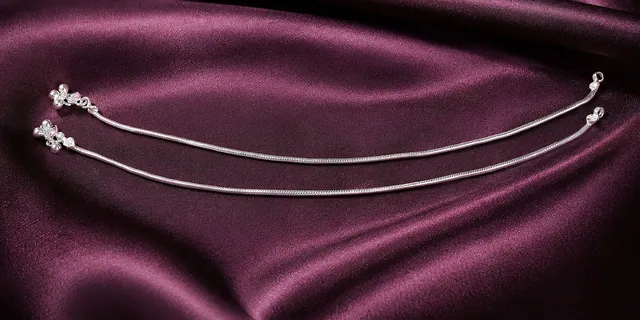
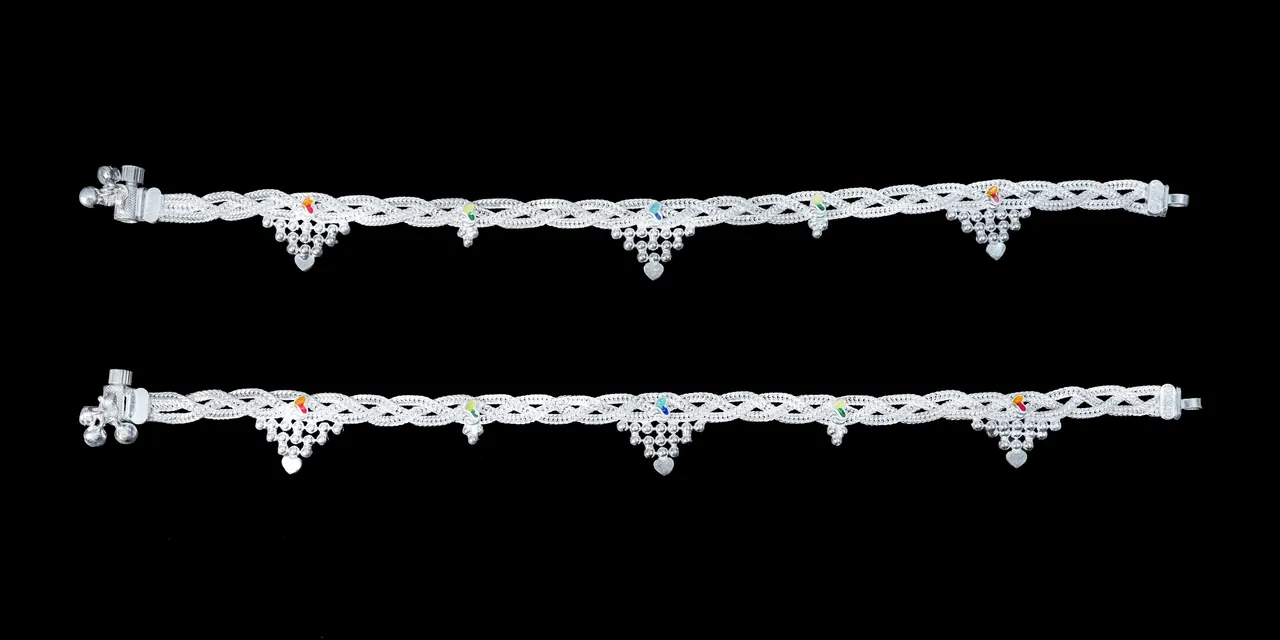
This is the longest stage. Craftsmen cut and form the wire into links, join them into chain, and attach every ghungroo, charm and clasp by hand. A plain payal may take a short time. A rajwadi or jhalar design with hundreds of hanging parts takes far longer, and each side of the pair has to mirror the other.
4. Polish and finish
The assembled payal is cleaned and polished to bring up the white shine silver is known for. Then it is checked: clasps are opened and closed, joints are tested, and the two halves of the pair are laid side by side to confirm they match in length, weight and look. Only then is the lot packed.
Why the method matters to a retailer
A payal is worn on the foot, where it takes more knocks than any other jewellery. Weak joints and uneven links show up as returns. Buying from a manufacturer who controls every stage is the surest way to get lots that are consistent from one order to the next.
Read more about our workshop, or send an enquiry to see the current catalogue.